Regulating Gas Pressure for High-Efficiency Appliances
Introduction
USG natural gas regulators offer excellent pressure control, allowing them to meet the instantaneous ignition requirements of high-efficiency gas equipment, including burners, boilers, and generators. However, the piping layout and other regulators, meters and equipment installed on the gas line can affect the operation of high-efficiency equipment. These appliances use electronic ignitions which rapidly draw gas into the combustion chamber, creating negative pressure in the supply line. This sudden demand for gas can exceed the capacity of the pressure regulator, leading to an excessive pressure drop which can cause ignition to fail during startup, as well as high lockup during shutdown. There are a few installation design considerations to keep in mind when installing or replacing high-efficiency appliances.
Appliance Operation
High-efficiency natural gas appliances, such as modern condensing furnaces and boilers, turn on and off “instantly” instead of ramping up slowly. When firing on, the sudden surge of gas flow can cause the pressure to drop which can lead to delayed or failed ignition, unstable combustion, or even a safety shutdown in sensitive equipment. When the appliance slams off instantly, the pressure can climb if the regulator cannot “lock up” (shut off tightly) fast enough. If the pressure climbs beyond the safe operating limit, it can damage the appliance or cause "nuisance trips" where the appliance won't restart because it senses over-pressure.
Installation Considerations
- Use direct-acting or lever-operated natural gas regulators
- Install adequate piping between the regulator and high-efficiency appliance
- Ensure regulator is sized properly to handle gas load
Use direct-acting or lever-operated natural gas regulators
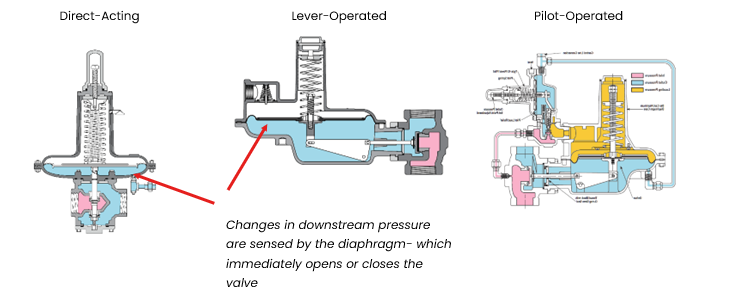
Direct-acting, lever-operated, and pilot-operated regulators are common types of natural gas regulators, each with distinct advantages and disadvantages. While pilot-operated regulators are often chosen for applications requiring high precision (fix-factored billing), direct-acting regulators offer several benefits, particularly in simpler and lower-demand systems.
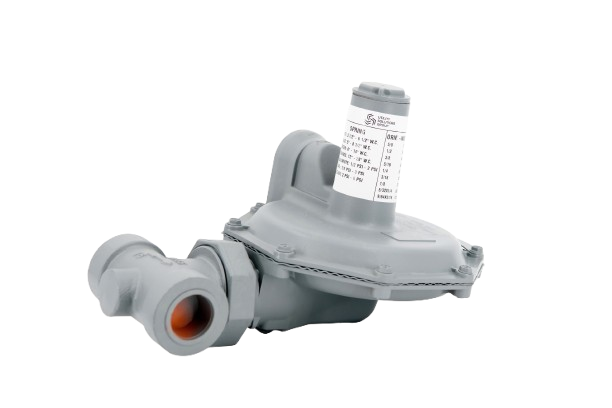
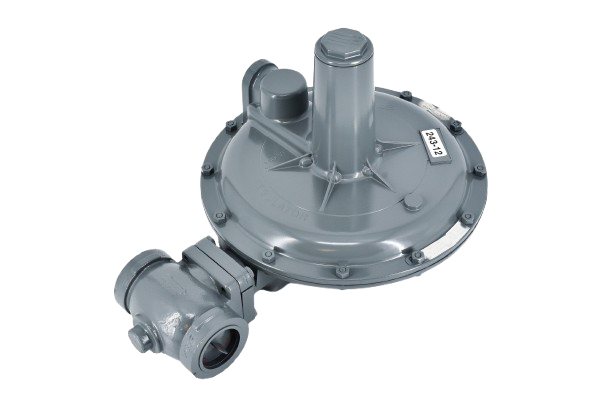
USG offers multiple lever-operated and direct-acting regulators. The Model 243, 121, and 122 regulators are typically used in applications involving high-efficiency appliances.
Lever-Operated Regulators
Model 496
- Residential services and light commercial applications
Model 143
- Residential and commercial services, high-efficiency appliances
Model 243
- Commercial applications and high-efficiency appliances
Model 046
- Farm tap/first cut regulator
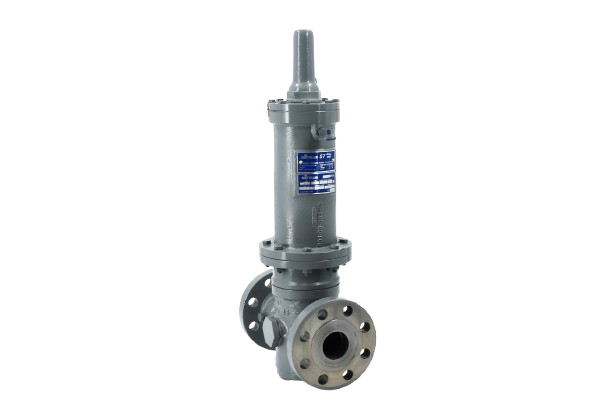
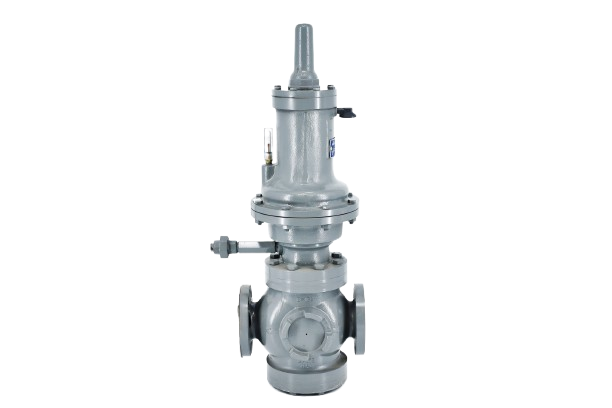
Direct-Acting Regulators
Model 121-122
- Combustion applications and high-efficiency appliances
Model 441-461
- Industrial customers, regulator stations, and gate stations
Here are some of the key benefits of utilizing direct-acting or lever-operated natural gas regulators over pilot-operated ones:
-
Faster Response Time: Direct-acting and lever-operated regulators respond more quickly to changes in downstream pressure. This is because the diaphragm is directly connected to the valve stem, so any pressure change immediately causes a corresponding movement in the valve. Pilot-operated regulators have an extra step in their control mechanism, which can cause a slight delay.
-
Simplicity and Cost of Maintenance: Direct-acting regulators have a simpler, more compact design with fewer components. This makes them less expensive and easier to maintain. Their straightforward design also translates to easier installation and troubleshooting. USG has great how-to YouTube videos on the most common maintenance work, including teardown, rebuilds, setting double valves, replacing the diaphragms, and more.
-
No Minimum Differential Requirement: Direct-acting regulators can continue to control gas flow regardless of the pressure differential between the inlet and outlet. In contrast, pilot-operated regulators require a certain pressure differential to keep the main valve open and function correctly.
-
Less Susceptible to Contaminants and Freezing: Due to their simpler design and fewer internal components, direct-acting regulators are generally more tolerant of impurities or debris in the gas stream. Pilot-operated regulators generally utilize smaller orifices than direct-acting regulators which are more susceptible to debris or ice clogging the regulator. USG regulators are used throughout extremely cold geographies like Canada for this very reason.
Direct-acting and lever-operated natural gas regulators are ideal for high-efficiency appliances such as boilers and generators due to their fast response time. On startup, these regulators provide a fast and immediate response to the initial pressure drop, ensuring the appliance receives the necessary volume of gas without delay. During shutdown, these regulators can lock-up quickly, limiting the downstream pressure build.
Gas pressure in a supply line can fluctuate due to other appliances turning on and off or changes in the main distribution system. A direct-acting regulator's fast response time allows it to immediately compensate for these fluctuations, maintaining a steady, consistent pressure at the appliance's inlet. This stability of the gas pressure supplied is critical for the appliance's internal controls, preventing faults, and ensuring smooth operation.
Fast-acting regulators improve efficiency
Direct-acting regulators can also help enhance the efficiency of high-efficiency appliances. These appliances are designed to optimize the combustion process to use less fuel and produce more energy. To do this, they constantly adjust the fuel-to-air intake to ensure complete combustion. A fast-acting regulator can quickly adjust the gas flow to match the changing air supply from the appliance's fan. This ensures a consistent fuel-to-air ratio, resulting in complete combustion and no wasted gas, which means lower emissions.
Install adequate piping between the regulator and high-efficiency appliance
Piping between a regulator and an appliance helps improve the regulator's response on startup by acting like a capacitor, or tank, that the appliance can draw from immediately, giving the regulator a buffer to open and deliver the required flow. Without this buffer, the regulator would have to react to a sudden high demand for gas, which can lead to a momentary pressure drop and potentially cause the appliance to malfunction or fail to ignite properly. By providing an initial supply of gas, the piping volume mitigates the immediate pressure drop that would occur if the regulator had to react to an empty pipe.
Without sufficient pipe volume, a regulator might "hunt," or rapidly over-correct, oscillating between a wide-open and a closed position as it tries to keep up with the fluctuating demand. The buffer helps dampen these oscillations, promoting more stable and consistent pressure control. For these reasons, many manufacturers of high-demand appliances may specify a minimum length of pipe between the regulator and the unit to ensure a proper startup and stable operation.
Ensure regulator is sized properly to handle gas load
It's critical to ensure natural gas regulators have sufficient capacity for high-efficiency appliances because an undersized regulator will starve the appliance of gas and lead to poor performance and inefficiency. High-efficiency appliances, like modern boilers and generators, often have a high maximum BTUH rating and require a large, instantaneous surge of gas flow at startup. The regulator must be sized to meet this maximum demand while maintaining the precise, stable pressure required by the appliance.
When the appliance demands a high flow rate, an undersized regulator will experience a significant drop in its outlet pressure, known as "droop." If the pressure drops too low, the appliance will be starved for fuel, causing a noticeable drop in performance. For a boiler, this means it won't produce its rated heating capacity. For a generator, it may struggle to start or fail to run at full load. Also, operating a regulator near or beyond its rated capacity subjects its internal components to excessive stress and rapid movement. This can lead to premature wear on the regulator itself and unstable operation in the gas delivery system.
To prevent these issues, it is common practice to size a regulator to handle 125% to 200% of the appliance's maximum BTUH or CFH demand. Oversizing the regulator can be useful for two reasons: to minimize pressure drop (droop) at peak demand and to better handle the initial high-demand surge during startup.
While slight oversizing (like double the required flow) can offer performance benefits, extreme oversizing is generally discouraged for standard pressure regulation applications. An extremely oversized regulator may operate too close to its seat at low or minimum flow conditions. This can cause the regulator valve to cycle rapidly, creating instability or "hunting", which leads to noise, excessive wear, and poor control.
USG recommends that lever-operated gas regulators (Model 143 and Model 243) should be sized for up to double the capacity of high-efficiency appliances and generators. These regulators have high turndown and operate great at low flows, so sizing for double the flow rate is not a concern. Direct-acting regulators used for larger applications, like Model 461 regulators installed for steam generators, should be sized for 125% of the total load.
Example:
Generator: 600 CFH
Required capacity of regulator: 2*600 = 1,200 CFH
It is also important to size the regulators for the load that they will see, and not necessarily the total load of the appliances. For example, if there are two boilers installed, but only one will operate at a time, then the regulator can be sized for twice the load of one of the boilers. In this instance, the regulator would be oversized if it was sized for twice the capacity of both boilers.
Example:
HE Boiler #1: 800 CFH
HE Boiler #2: 800 CFH
Required capacity of regulator: 2*800 = 1,600 CFH
For a mix of high-efficiency and standard appliances, the regulator should be sized for double the load of high-efficiency appliances plus the load of standard appliances.
Example:
HE Boiler: 700 CFH
Pool heater: 400 CFH
Furnace: 100 CFH
Gas grill: 60 CFH
Required capacity of regulator: 2*700 + 400 + 100 + 60 = 1,960 CFH
Additional Considerations
Sequencing start-up and shutdown
For multiple high-efficiency appliances, it is ideal to stage the startup and shutdown, so they do not turn on and off at the same time. Staggering when each appliance turns on and off creates a "stepped" response to steam demand, which prevents the pressure swings that often occur in industrial systems. This is often referred to as lead/lag sequencing.
For example, let’s consider a site with three high-efficiency boilers. The outlet pressure drops when all three boilers fire on is considerably greater than the outlet pressure drops if only one generator fires on. If the boilers are sequenced to turn on one at a time, then the regulator does not have to respond to a sudden surge in gas demand compared to if all three boilers are turned on at the same time.
Sequencing the shutdown can also help minimize the lock up pressure and reduce the wear and tear on the regulator. For example, if multiple boilers are shut off at the exact same time, the downstream pressure will quickly rise in the moment before the regulator can respond and close its valve. This outlet pressure would be much greater for three boilers shutting off at once compared to one boiler at a time. Also, the sudden increase in pressure from all three boilers shutting down would cause a sudden increase in pressure on the regulator’s diaphragm, slamming the regulator’s seat against the orifice. This can cause premature wear and tear on the regulator’s seat.
Effects of rotary meters
Rotary meters installed in the system can cause issues with pressure control. When the appliance shuts off, the inertia of the rotary meter’s impellers allows gas to briefly continue to flow after the load has shut off. This increases the downstream pressure beyond the typical lock up pressure.
One of the most effective ways to mitigate the spike is to provide more room for the extra gas the meter is “pumping” by increasing the pipe length and diameter between the meter and appliance. The gas "over-pumped" by the meter causes a much smaller pressure increase in a large pipe than it would in a small, tight pipe.
It is also important to properly install the control line on externally controlled regulators. If the control line connection is tapped too close to the meter, the regulator will "hunt" or respond to false pressure signals. If the regulator is upstream of the rotary meter, ensure the sensing line is tapped after the meter (or at least in a very stable section of pipe), so it sees the actual pressure the appliance is receiving. However, ensure it is tapped 6-10 pipe diameters downstream of the meter and last flow disturbance (elbows or tees).
Conclusion
Based on the critical demands of modern, high-efficiency appliances, USG lever-operated and direct-acting natural gas regulators are the superior choice, as their fast response time is ideal for the instantaneous, high-flow ignition needs of equipment like boilers and generators. For stable operation, proper installation is key, requiring adequately sized piping as a pressure buffer and a regulator that is sized for up to double the appliance's maximum demand to prevent ignition failure and instability. This ensures the maximum efficiency, performance, and stability of high-efficiency gas systems.